Insurance and everyday life
Insurance is not just about catastrophic events or major disasters. The reality is that most insurance claims arise from the messy, unpredictable nature of everyday life: a child’s bike accident, a laptop stolen from a café, or frozen pipes bursting during a winter holiday. These seemingly minor incidents can result in significant financial losses, and understanding how your policies respond to them is essential for genuine peace of mind.
This comprehensive resource explores the three pillars of everyday insurance protection: personal liability coverage for accidents you or your family might cause, protection for your valuable gadgets and possessions, and safeguarding your home during seasonal risks like winter freezes. By understanding these interconnected areas, you’ll gain the confidence to make informed decisions and ensure your cover truly matches your daily life.
Personal Liability Insurance in Everyday Situations
Personal liability insurance is the safety net that protects you when you accidentally cause injury to someone else or damage their property. It’s typically included within home insurance policies as family liability cover, often providing protection up to £2 million or more. Yet many policyholders remain unaware of when this protection applies and, crucially, when it doesn’t.
Family Activities and Third-Party Damage
One of the most common anxiety-inducing scenarios involves children and expensive property. If your child accidentally scratches a neighbour’s car with their bike or breaks a window with a football, your personal liability cover should respond, provided the damage was genuinely accidental and unintentional. The key word here is ‘accidental’: deliberate acts or repeated careless behaviour may not be covered. Similarly, if your child damages a Ferrari or other high-value item, the principle remains the same, though the claim amount will be significantly higher. This is why liability limits matter, and why £1 million may not always be sufficient in extreme scenarios.
Pets, Hobbies and Recreational Risks
Dog ownership presents a specific liability challenge. While normal pet mischief, like knocking over a visitor’s glass, is typically covered under standard family liability, dog bite claims can be more complex. Policies usually cover bites unless the dog is of a breed excluded under the Dangerous Dogs Act or if you knew the animal had aggressive tendencies. Insurers increasingly ask about breed and bite history during underwriting, and failing to disclose this information accurately can void your claim.
Recreational activities add another layer of complexity. Playing golf and accidentally hitting a ball through someone’s window is generally covered by personal liability, as it’s an unintentional consequence of a lawful activity. However, operating a drone in a public park might fall outside standard home insurance if the policy excludes motorised or remote-controlled devices. Many insurers view drones as specialist equipment requiring separate coverage, particularly for third-party damage claims.
Volunteering and Community Activities
A frequently overlooked question is whether personal liability extends to volunteering. If you’re helping at a local charity event and accidentally cause injury or damage, your family liability insurance may cover you, but this depends on whether the activity is considered ‘personal’ rather than ‘professional’. If the charity has its own public liability insurance, that would typically respond first. However, if you’re volunteering informally without organisational cover, your personal policy should protect you, provided the activity doesn’t involve specialist skills or business-like operations.
Protecting Your Valuables and Gadgets
The line between home contents insurance and specialist gadget insurance has become increasingly blurred as our possessions have grown more portable and expensive. Understanding which policy type offers the best protection for your smartphone, laptop or gaming PC requires examining coverage limits, excess structures and specific conditions around theft and damage.
Home Contents vs Specialist Gadget Insurance
Standard home contents insurance covers your belongings within your home, and often includes personal possessions cover as an add-on for items taken outside. This extension can protect your £1,000 iPhone or laptop in a coffee shop, but the devil is in the details. Contents policies typically apply an ‘all risks’ basis for specified high-value items, covering accidental damage, theft and loss. Specialist gadget insurance, by contrast, is designed specifically for electronics and often includes benefits like worldwide cover, same-day replacement and lower excesses for screen damage.
The choice between the two often comes down to excess costs and convenience. While AppleCare or manufacturer warranties excel at covering accidental damage with minimal excess (often £25-£79 for screen repairs), home insurance excesses can range from £100 to £250 or more. However, adding multiple gadgets to home insurance may be more cost-effective than maintaining separate policies for each device.
Single Item Limits and High-Value Electronics
One of the most common pitfalls in home insurance is the single item limit. Many standard policies cap individual item cover at £1,500 or £2,000 unless specifically declared. If you own a £3,000 gaming PC, a high-spec laptop or professional camera equipment, you must declare these items separately and pay an additional premium to ensure full protection. Failing to do so means you’ll only receive the policy’s default single item limit, regardless of the actual value.
This requirement applies even if your total contents sum insured is adequate. Insurers need to know about high-value items for accurate risk assessment and pricing. When declaring items, you’ll typically need proof of purchase and detailed specifications, and the insurer may apply additional security requirements or higher excesses for these valuables.
Away from Home Cover and Theft Conditions
Personal possessions cover sounds comprehensive, but conditions around theft can catch people off guard. The notorious ‘walk-in theft’ clause excludes claims where items were stolen from an unlocked room with no evidence of forced entry. This particularly affects students in halls of residence or shared accommodations, where a laptop left in an unlocked room won’t be covered, even if the building itself was secure. Insurers require evidence of a genuine break-in: forced windows, damaged locks or similar proof.
Additionally, some policies exclude theft from unattended vehicles entirely, or only cover it if items were locked in the boot and out of sight. Understanding these conditions before a loss occurs is critical, as is taking reasonable precautions like using laptop locks in public spaces and never leaving valuables visible in cars.
Winter Home Emergencies and Frozen Pipes
Frozen and burst pipes represent one of the most expensive and preventable home insurance claims, particularly in properties left empty during winter holidays. Insurers impose strict conditions around property maintenance and occupation during cold weather, and failing to meet these requirements can invalidate your entire claim, leaving you facing repair bills that easily run into thousands of pounds.
Temperature Requirements and Prevention
Most home insurance policies require you to maintain a minimum temperature of 12-15 degrees Celsius throughout your property if it’s left unoccupied for more than a specified period, typically 48-72 hours during winter months. This requirement exists because frozen water expands, cracking pipes and connections. When the ice thaws, water floods the property, causing extensive damage to floors, ceilings, electrics and furnishings.
However, maintaining heating isn’t foolproof. Boiler breakdowns, power cuts or thermostat failures can still result in freezing. This is why insurers also emphasise the importance of pipe insulation, particularly for exposed pipes in lofts, garages and external walls. Lagging pipes with foam insulation sleeves costs relatively little but provides crucial protection. Uninsulated pipes in the loft are a common claim rejection point, as insurers view this as a failure to maintain the property adequately.
Common Mistakes That Void Your Cover
Beyond temperature maintenance, several common mistakes can invalidate freeze-related claims. Using a blowtorch or direct heat source to thaw frozen pipes is dangerous and can crack them before they even defrost, turning a manageable situation into a catastrophic leak. Insurers expect you to thaw pipes gradually using warm (not boiling) water or gentle ambient heating.
Another frequent issue involves plastic push-fit connectors, particularly those used in modern plumbing installations. These connectors can pop apart under the pressure of expanding ice, and if the pipes weren’t properly clipped or supported according to building standards, insurers may argue the damage resulted from poor installation rather than an insured peril. While this is a grey area, it highlights the importance of using qualified plumbers and keeping installation records.
Best Practices for Empty Homes
The only way to guarantee complete protection against frozen pipes in an empty home is to drain the entire system: turn off the water supply, open all taps and drain down the boiler, radiators and all pipework. This eliminates the risk entirely but requires professional assistance for central heating systems and isn’t practical for short absences.
For shorter winter holidays, a combination of strategies offers robust protection:
- Set your heating to maintain at least 15 degrees Celsius continuously
- Ask a trusted neighbour or friend to check the property every 48 hours
- Ensure all pipes are properly insulated, especially in unheated spaces
- Know where your stopcock is located and ensure it’s accessible and working
- Consider installing a smart thermostat and leak detection sensors for remote monitoring
Inform your insurer if your property will be empty for longer than your policy’s unoccupancy limit (commonly 30-60 days), as extended vacancy often requires a different policy or additional premium. Being proactive and transparent with your insurer ensures you’re protected when the unexpected happens.
Insurance and everyday life intersect in countless small but significant ways. By understanding how personal liability responds to family activities, how gadget protection really works, and what winter precautions your insurer expects, you can navigate daily risks with confidence and ensure your cover genuinely protects you when it matters most.
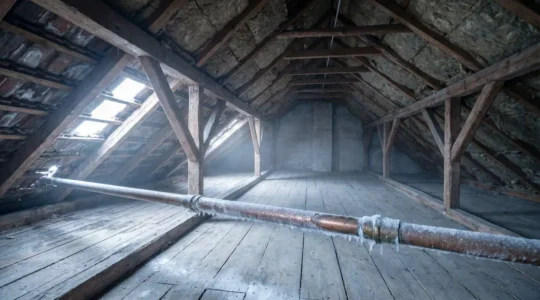
The Burst Pipe Nightmare: How to Ensure Your Insurance Covers You This Winter Holiday
Turning off your heat to save money while on holiday is the fastest way to have a burst pipe claim denied. Insurers require you maintain a minimum temperature, often around 12-13°C (55°F), as a basic condition of your policy. Proving…
Lire la suite
Gadget Insurance vs Home Contents: Uncovering the Hidden Risks for Your £1,000 iPhone
Relying on your home contents policy for your tech is a gamble; specialist gadget insurance often wins on the details that matter. Standard home insurance is riddled with ‘gotcha’ clauses like high excesses, low single-item limits, and restrictive definitions of…
Lire la suite
The Dog, The Drone, and The Bike: When Does Family Liability Protection Kick In?
Your standard homeowner’s policy offers less protection for family accidents away from home than you might think, due to specific legal principles and hidden exclusions. Legal doctrines like « vicarious liability » can hold you financially responsible for your child’s actions, but…
Lire la suite