Regulations and obligations
Insurance isn’t simply about paying premiums and hoping you’ll never need to claim. Behind every policy lies a complex web of legal obligations, regulatory requirements, and contractual duties that bind both you and your insurer. These rules exist for good reason: they protect your financial interests, ensure fair treatment, and create a functioning market where risks can be properly assessed and covered.
Yet many policyholders remain unaware of their responsibilities until something goes wrong—a claim is rejected because a condition wasn’t met, a lender threatens repossession because cover lapsed, or a neighbour’s solicitor sends a letter demanding compensation for damage you didn’t know you were liable for. Understanding the regulations and obligations that govern home insurance transforms you from a passive premium-payer into an informed consumer who can confidently navigate the complex landscape of property protection.
This comprehensive resource explores the essential regulatory frameworks and contractual obligations every homeowner should understand: from mandatory lender requirements and extensive liability exposure, to strict disclosure duties and policy conditions that can void your cover if breached. Whether you’re purchasing your first property or reviewing your existing arrangements, grasping these fundamentals ensures your protection remains valid when you need it most.
Mortgage Lender Requirements: Why Insurance Is Non-Negotiable
If you’ve borrowed money to purchase your property, your mortgage lender holds a significant financial stake in that building—often far larger than your own equity. This explains why buildings insurance is a mandatory condition of virtually every mortgage agreement, typically required from the moment contracts are exchanged rather than at completion.
The Legal Basis for Compulsory Cover
Lenders demand buildings insurance because the property serves as security for the loan. Should fire, flood, or structural collapse destroy the building, the mortgage debt doesn’t disappear with it—you’d still owe the full amount on a worthless asset. Insurance proceeds protect both parties: they provide funds to rebuild the property, preserving the lender’s security and your ability to repay. Most mortgage offers explicitly state that funds will not be released without proof of adequate buildings cover, with the lender named as an interested party on the policy.
The required sum insured must meet or exceed the full rebuild cost—not the market value or outstanding mortgage balance. Rebuild costs reflect what it would cost to completely reconstruct your property from the foundations up, including demolition, professional fees, and site clearance. Lenders typically specify minimum rebuild values, and many require index-linked policies that automatically adjust coverage in line with construction inflation, protecting against the gradual erosion of cover that could leave both parties underinsured.
Consequences of Letting Your Cover Lapse
Cancelling or allowing your buildings insurance to lapse while a mortgage remains outstanding constitutes a breach of your loan agreement. This breach gives lenders contractual grounds to impose their own insurance (charging you the premium plus administration fees, usually at rates far higher than you’d pay independently) or, in extreme cases, to accelerate repayment or begin repossession proceedings. While repossession over insurance alone is rare, it demonstrates how seriously lenders view this obligation.
The period between exchange of contracts and completion creates a particularly dangerous gap. Legal ownership transfers at exchange, yet many buyers assume the seller’s insurance continues until completion. During this window—which can span several weeks—you bear the risk. If the property burns down, you must still complete the purchase and pay the full price for a charred shell, unless your own insurance (or a specific exchange-to-completion policy) provides protection.
Understanding Your Liability as a Property Owner
Owning property carries substantial legal responsibility beyond maintaining the building itself. You can be held personally liable for injuries or property damage that occur on or originate from your land, even when you weren’t directly negligent. This occupier’s liability and neighbour liability creates exposure that can reach hundreds of thousands—or even millions—in legal costs and compensation.
Third-Party Injury and Damage: The Extent of Your Exposure
Occupier’s liability means you owe a duty of care to lawful visitors (and even some trespassers in certain circumstances). If a delivery driver slips on your icy driveway, a guest trips over a loose paving stone, or a child is injured by unsafe garden equipment, you may face a compensation claim and associated legal costs. The injured party need only demonstrate that you failed to take reasonable care to prevent the foreseeable risk—a standard that courts often interpret broadly.
Most standard home insurance policies include personal liability cover of at least £2 million, though £5 million or even £10 million is increasingly common given the scale of potential claims. This coverage extends beyond physical injuries to property damage you cause to others—for example, if you accidentally damage a neighbour’s expensive vehicle while trimming your hedge, or your DIY project causes structural damage to an adjoining property.
Importantly, liability cover typically operates globally and extends to everyday activities away from your home. Accidentally injuring someone while cycling, your child damaging shop displays, or causing injury during sports activities may all fall within your policy’s personal liability section, though specific exclusions apply and geographic limits vary between insurers.
Neighbouring Property: Your Extended Zone of Responsibility
Your liability doesn’t stop at your boundary fence. Trees on your land create ongoing obligations: if roots undermine a neighbour’s foundations or branches fall and crush their car, you can be held liable if you knew or should have known about the hazard and failed to address it. Regular inspection and maintenance of trees, particularly large or aging specimens, becomes a legal as well as practical necessity.
Similarly, structural elements of your property—roofs, chimneys, walls, fences—that fall into disrepair and subsequently damage neighbouring property can trigger liability. A loose slate that detaches during a storm and smashes through a neighbour’s conservatory, an unmaintained boundary wall that collapses onto their garden, or water escaping from your property (through bath overflow, burst pipes, or poor maintenance) that damages the flat below—all create potential liability claims.
Shared spaces complicate matters further. If you share a driveway or path, liability for accidents occurring there may be joint and several, meaning an injured party can pursue any or all of the property owners for the full amount, leaving you to sort out contribution amongst yourselves later. Clear maintenance agreements and adequate insurance become essential in these arrangements.
Personal Liability Beyond Property Boundaries
Your insurance responsibilities extend far beyond your four walls. Modern liability cover recognizes that everyday activities—whether at home, on holiday, or simply going about your daily routine—can result in accidental harm to others or their property, potentially triggering expensive legal action.
Everyday Activities That Create Unexpected Liability Risks
Consider these increasingly common scenarios: your drone loses power and falls onto a parked car in the park, your mobility scooter collides with a pedestrian, or a social media post you share leads to a defamation lawsuit. Many people assume such incidents fall outside home insurance, yet most comprehensive policies include personal liability sections that respond to exactly these situations—subject to specific terms and exclusions.
Parental liability for children’s actions represents another crucial area. While very young children cannot themselves be sued, parents can face claims if they failed to adequately supervise foreseeable risky behaviour. A child’s tantrum that destroys shop merchandise, sporting activities that injure other participants, or online behaviour that harms someone’s reputation can all generate liability that standard home insurance may cover, depending on the circumstances and policy wording.
The rise of the gig economy and working from home has blurred traditional boundaries between personal and business use. Using your car for occasional food delivery, renting out a room via sharing platforms, or running a small business from your dining table can all void standard personal liability cover unless specifically declared and covered under appropriate business insurance. The threshold for what constitutes « business use » can be surprisingly low—sometimes even a single transaction.
Geographic Limits and Temporary Absence Cover
Standard home insurance liability sections typically provide worldwide coverage for personal liability arising from everyday activities, though some budget policies restrict this to the UK and Europe or impose time limits on overseas incidents. This means that accidentally injuring someone while on holiday abroad, or damaging property in a rented villa, should fall within your cover—though you must verify the specific geographic scope of your policy.
However, certain activities void cover regardless of location. Recreational vehicle use (quad bikes, jet skis, off-road motorcycles), owning or using firearms, and liability arising from business pursuits generally require separate specialist insurance. Similarly, many policies now impose strict rules around emerging technologies: drone operation may be excluded entirely or limited by flight altitude and distance from people, while some newer exclusions address liability arising from cyber activities.
Legal Expenses Cover: When Disputes Require Professional Help
Even with comprehensive liability insurance, many property and personal disputes don’t involve insured risks—they’re contractual disagreements, boundary disputes, employment matters, or consumer conflicts. Legal expenses insurance (often called « family legal protection ») addresses this gap, typically for an additional premium of £20-40 per year.
What Legal Protection Typically Covers
Standard legal expenses cover generally includes funding for professional representation in several categories: employment disputes (unfair dismissal, discrimination claims), consumer disputes (faulty goods, poor workmanship by traders), personal injury claims where you’re the injured party, property disputes (boundary disagreements, rights of way, lease conflicts), and tax investigations. Cover usually provides up to £50,000-100,000 in legal costs, including solicitor fees, barrister fees, court costs, and expert witness expenses.
Common scenarios demonstrate the value: you need to sue a builder who abandoned your renovation halfway through, a neighbour disputes your boundary and you must fund a surveyor and solicitor, or you face an employment tribunal and require professional representation. In each case, legal expenses insurance can mean the difference between pursuing legitimate rights and accepting injustice because you cannot afford £10,000-30,000 in legal fees.
Some policies extend to additional benefits such as jury service allowance (topping up lost earnings beyond statutory minimums), emergency legal advice helplines, and document review services. However, exclusions are significant: pre-existing disputes, costs for bringing criminal prosecutions, and disputes with your insurer generally fall outside cover.
The 51% Prospects of Success Rule
Legal expenses insurers impose a crucial gatekeeping requirement: they’ll only fund cases where independent legal assessment determines you have at least a 51% chance of success. This threshold protects insurers from funding hopeless cases, but it means you cannot simply decide to pursue any dispute and expect funding—the insurer’s appointed lawyer must agree the claim is more likely than not to succeed.
This assessment occurs at the outset and may be repeated at key stages. If prospects drop below 51% as the case develops, funding can be withdrawn, potentially leaving you liable for costs already incurred. The assessment is meant to be objective, but disputes over prospects are common, and insurers ultimately control the purse strings. Some policies grant you the right to choose your own solicitor (after initial investigation), while others require you to use the insurer’s panel—a significant difference in practice.
Your Duty to Disclose Material Facts
The relationship between insurer and policyholder rests on a foundation of utmost good faith: you must volunteer all material information, even if not directly asked, and answer all questions honestly. Breach this duty and your policy can be voided or claims rejected, even for unrelated losses.
The Consumer Insurance Act and Fair Presentation
Consumer protection legislation has reformed the harsh traditional rule that any non-disclosure, however innocent, allowed insurers to void policies entirely. Under current consumer insurance law, you must take reasonable care to answer questions accurately and not misrepresent material facts. The test is subjective—what would a reasonable person in your circumstances understand and disclose?
This means insurers must ask clear, specific questions rather than relying on catch-all declarations. If you answer incorrectly due to genuine misunderstanding or oversight, the remedy is proportionate: had the insurer known the truth, what would they have done? They might have charged a higher premium (in which case your claim is reduced proportionately), imposed specific exclusions, or declined cover entirely (only in this last case can they void the policy and reject the claim completely).
However, deliberate or reckless misrepresentation remains serious fraud. Knowingly ticking « no » to « have you ever been refused insurance? » when you were declined last year, or falsely claiming you’ve never had a conviction when you have unspent offences, constitutes fraud that allows the insurer to void the policy, reject all claims, and potentially report you to insurance fraud databases that make obtaining future cover extremely difficult.
Common Material Facts Policyholders Must Declare
What constitutes a « material fact » can surprise policyholders. Obviously you must declare previous claims, criminal convictions (particularly for dishonesty, arson, or violence), and previous insurance refusals or special terms. But you must also disclose structural issues (subsidence, flooding, underpinning), planned or ongoing renovations (particularly structural work like removing walls or loft conversions), changes of use (running a business from home, letting rooms, leaving the property unoccupied for extended periods), and security features or their absence.
The « main residence » definition carries specific meaning: most insurers define this as where you spend the majority of nights, with thresholds commonly set at staying away no more than 30-60 consecutive days or similar cumulative limits. Spending months abroad, maintaining two homes and splitting time between them, or moving out during major works can all breach the occupancy conditions and require disclosure.
Working from home creates particular confusion. Occasional laptop work at the kitchen table generally doesn’t constitute business use, but if clients visit your property, you store significant business inventory or equipment, or your work creates unusual hazards (using dangerous machinery, storing hazardous materials), this crosses the threshold into material fact territory requiring disclosure and possibly specialist insurance.
Policy Conditions You Must Comply With
Beyond paying premiums, your insurance contract imposes ongoing obligations—policy conditions and warranties that you must meet to maintain valid cover. Breach these conditions and claims can be rejected even when the breach is unrelated to the loss.
Security Requirements and the Reasonable Care Obligation
Most policies impose security warranties: specific locks on external doors (typically five-lever mortice deadlocks or insurance-approved equivalents), window locks on accessible windows, and activation of burglar alarms whenever you leave the property (if an alarm is fitted and declared). These aren’t merely recommendations—they’re contractual requirements. Failing to set your alarm, even once, technically breaches the warranty and can void theft claims entirely, though proportionate remedies now apply for consumer policies.
The « reasonable care » clause requires you to maintain the property and take sensible precautions. Leaving windows open while away on holiday, failing to turn off water when leaving the property empty in winter (risking freeze damage), or ignoring obvious maintenance issues (a leaking roof you never repair) can all constitute failure to take reasonable care. While insurers must prove you were reckless rather than merely unfortunate, the burden can shift to you to demonstrate you took adequate precautions.
Key safes present an interesting case study: while convenient, external key safes may breach security warranties unless specifically insurer-approved. Some insurers refuse cover if a key safe is used at all, others permit only specific models meeting defined security standards, and still others allow them but impose conditions on where they’re mounted. Checking your policy wording and obtaining insurer approval in writing is essential before installing one.
Occupancy and Maintenance Obligations
Standard home insurance assumes continuous occupancy—someone living in and regularly visiting the property. Leave your home unoccupied for more than 30 consecutive days and many policies automatically suspend certain covers (particularly theft, malicious damage, and water damage) unless you’ve notified the insurer and obtained an unoccupied property endorsement, usually with additional premium and stricter conditions.
During unoccupied periods, policies often impose specific requirements: visiting the property at defined intervals (commonly every 7-14 days, with evidence of inspection), turning off water at the mains, draining the system, maintaining minimum heating levels (often 15°C throughout to prevent freeze damage), and removing valuables. Breach any of these and claims may be rejected.
Maintenance obligations can be surprisingly specific. Some policies require professional inspection of flat roofs every 10 years, regular servicing of heating systems, annual boiler maintenance, or gutter cleaning at defined intervals. While insurers rarely check compliance proactively, following damage they may demand proof of maintenance—and inability to provide service records or inspection reports can result in claim rejection if the damage relates to poor maintenance.
Financial Protection When Insurers Fail
While insurance protects you against losses, what protects you if your insurer itself fails? Company insolvencies, though relatively rare among major insurers, do occur—and understanding the compensation schemes and warning signs helps you choose providers wisely and know your rights if the worst happens.
FSCS Protection Limits and Coverage
The Financial Services Compensation Scheme (FSCS) provides a statutory safety net if your insurer becomes insolvent. For compulsory insurance classes (notably motor third-party liability), FSCS covers 100% of claims with no upper limit—you lose nothing. However, home insurance is classified as non-compulsory, attracting only 90% protection—meaning if your home burns down and your insurer fails before paying your £300,000 rebuilding claim, FSCS pays £270,000 and you bear the £30,000 shortfall.
This 90% rule creates real risk with large claims. On a £500,000 rebuild, you’d lose £50,000. The 10% gap exists to encourage consumers to consider insurer financial strength when choosing policies, rather than simply buying the cheapest option regardless of provider security. FSCS protection only applies to insurers authorized and regulated in the UK; some comparison sites list overseas insurers where UK compensation schemes may not apply.
During the administration period (between insurer failure and FSCS payout), claims freeze—you cannot access funds even for emergency temporary accommodation or urgent repairs. This frozen period can last months, creating severe cashflow problems for policyholders who expected immediate claims settlement. Some administrators may make interim payments for urgent needs, but there’s no obligation to do so.
Choosing Financially Secure Insurers
Not all insurers carry equal financial risk. Credit ratings from agencies like A.M. Best, Standard & Poor’s, or Moody’s provide independent assessment of insurer financial strength. Ratings of A- or above generally indicate strong financial health, while ratings below BBB suggest higher risk. Many comparison sites now display these ratings, though they’re not always prominent—you must actively look for them.
Some insurers operate without ratings (« unrated » or « not rated »), particularly newer market entrants or specialist providers. This doesn’t necessarily mean they’re financially weak—ratings are expensive to obtain—but it does mean less independent verification of their strength. Balancing price against security becomes a personal risk judgment: saving £50 on your premium is poor value if it means 10% of your claim disappears in an insolvency.
If your insurer does fail, you must declare this when buying replacement cover, and you’ll likely need to declare the circumstances when renewing in future years. While this shouldn’t make you uninsurable (you weren’t at fault), it represents an administrative complication that reinforces the value of choosing financially sound insurers from the outset, even at modestly higher premium cost.
Navigating the complex regulatory landscape of insurance obligations requires ongoing attention. From the moment you exchange contracts on a property purchase, through decades of ownership, to the day you finally sell, you carry legal responsibilities and contractual duties that extend far beyond simply paying an annual premium. Understanding these obligations—from lender requirements and liability exposures to disclosure duties and policy conditions—transforms insurance from a confusing legal obligation into a comprehensible protection framework that safeguards your most valuable assets when you need it most.

The ‘Reasonable Care’ Clause: How Leaving Windows Open Voids Your Theft Claim?
Contrary to popular belief, your insurer cannot arbitrarily void your claim for a minor oversight; they must prove you breached a specific policy condition and that it was material to the loss. The Consumer Insurance Act 2012 shifts the burden…
Lire la suite
The Consumer Insurance Act: Why ‘Non-Disclosure’ Is No Longer an Insurer’s Get-Out-of-Jail-Free Card
The Consumer Insurance Act 2012 fundamentally shifted the balance of power from the insurer to you, the policyholder. Your duty is no longer to guess what an insurer needs to know, but to take « reasonable care » to answer the specific…
Lire la suite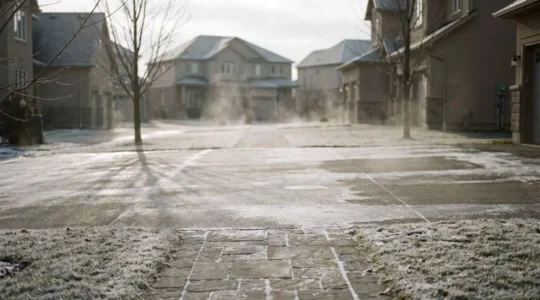
Shared Driveways and Paths: Who Is Liable if a Neighbour Slips on ‘Your’ Ice?
Many homeowners believe their responsibility ends at their property line. The reality is far more complex. UK law, under the Occupiers’ Liability Act, imposes a « common duty of care » that extends to anyone who might be affected by your property’s…
Lire la suite
Family Legal Protection: Is It Worth Paying the Extra £30 a Year?
That £30 legal protection add-on is not just for ‘peace of mind’; it’s a calculated financial shield that provides access to legal advice and cover for claims that can easily exceed £10,000. It funds your legal battles in specific areas…
Lire la suite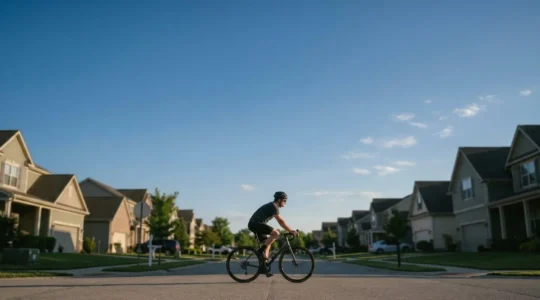
Beyond the Bike Crash: Is Your Personal Liability Coverage Ready for the Real World?
Your standard personal liability coverage is not a blanket safety net; it’s a rulebook with critical exclusions for modern life, from e-scooters to social media. Most policies cover accidental negligence worldwide but specifically exclude anything involving registered motor vehicles, business…
Lire la suite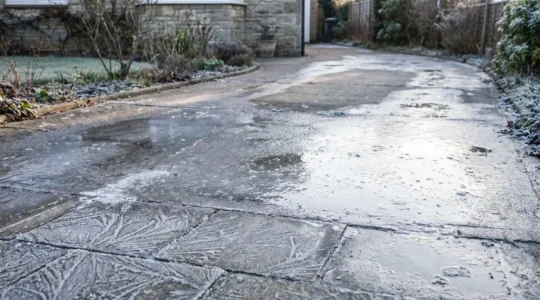
Property Owner’s Liability: Are You Covered if the Postman Slips on Your Driveway?
Your primary legal defence as a property owner isn’t having a perfectly safe property, but proving you took ‘reasonable care’ to make it so. The legal test for liability hinges on ‘foreseeability’—what a prudent person should have known about a…
Lire la suite
Why Do Mortgage Lenders Demand Buildings Insurance Before Exchange of Contracts?
Your mortgage lender’s demand for buildings insurance at the exchange of contracts isn’t just a bureaucratic hurdle; it’s a fundamental condition to protect their collateral. This requirement stems from UK property law, where the risk of the property’s destruction transfers…
Lire la suite