Coverage and protection
Home insurance isn’t just a legal requirement for mortgage holders or a landlord’s obligation—it’s the financial safety net that stands between you and catastrophic loss. Yet the question « what exactly am I covered for? » trips up even experienced homeowners. The answer depends on understanding two fundamental concepts: what constitutes your buildings versus your contents, and which perils your policy actually protects you against.
Getting coverage wrong can be financially devastating. Insure your home for market value instead of rebuild cost, and you might find yourself £200,000 short after a fire. Fail to specify that engagement ring, and you’ll hit a £1,500 single item limit after a burglary. Misunderstand whether your fitted kitchen is buildings or contents, and you could face a nasty surprise when making a claim. This comprehensive resource will guide you through the essential elements of coverage and protection, helping you understand not just what you’re paying for, but what you actually need.
Understanding Buildings vs Contents: The Foundation of Home Insurance
The distinction between buildings and contents insurance seems straightforward until you encounter a hand-built library, an Aga cooker, or an integrated sound system. The general principle is simple: buildings cover protects anything permanent that you couldn’t take with you if you moved, while contents cover protects your moveable possessions.
Your buildings insurance should cover the structure itself—walls, roof, floors, and permanent fixtures like fitted kitchens, bathrooms, and built-in wardrobes. It extends to garages, sheds, greenhouses, gates, and fences within your property boundary. Underground services you’re responsible for, such as drains, pipes, and cables running from the public mains to your home, typically fall under buildings cover as well.
Contents, by contrast, include furniture, electronics, clothing, jewellery, and everything else you’d pack into a removal van. The boundary becomes blurred with items like hardwood floors you’ve installed yourself, wired-in smart home technology, or period features like stained glass windows you’ve restored at great expense. Understanding this distinction matters because claiming under the wrong section can lead to rejection, and being underinsured on either side leaves you financially exposed.
For leasehold flat owners, this gets more complex. The freeholder typically insures the building’s structure, but you still need contents insurance—and you may need additional buildings cover for internal alterations and improvements you’ve made, which the freeholder’s policy won’t protect.
What Your Buildings Insurance Must Cover (and What It Won’t)
Structural Damage and Permanent Fixtures
Buildings insurance exists primarily to cover the rebuild cost of your property following a total loss from fire, flood, storm, or other insured perils. This is emphatically not the same as market value. A modest terrace might sell for £400,000 in a desirable area, but cost only £180,000 to rebuild. Conversely, a detached property in a less fashionable location might have a £250,000 market value but a £320,000 rebuild cost due to its size and construction.
The cost to rebuild includes not just bricks and mortar, but also demolition, site clearance, professional fees for architects and surveyors, and the expense of matching original materials. Period properties with features like lime mortar, hand-made bricks, or specialist roof tiles face particularly high rebuild costs. Recent material shortages and rising tradesman rates mean that rebuild costs have risen faster than general inflation, making regular revaluation essential.
Common Exclusions That Catch Homeowners Out
Buildings policies contain exclusions that frequently surprise policyholders. Wear and tear isn’t covered—if your flat roof fails after years of inadequate maintenance, insurers won’t pay. Similarly, gradual deterioration, such as slow leaks caused by silicone sealant failure, falls outside standard cover. Storm damage to fences less than 72 hours old is typically excluded, as is subsidence to boundary walls, gates, and fences unless the main building is also affected.
Non-standard construction homes—those built from timber frames, concrete, or other materials outside the brick-and-mortar norm—often require specialist insurers and face higher premiums. Five signs of subsidence risk (including cracks wider than a £1 coin, doors that stick, or neighbouring properties with a history of movement) can make properties difficult or impossible to insure through standard channels.
Contents Insurance: From the Everyday to the Irreplaceable
Contents insurance protects your possessions against theft, fire, and other insured perils, but it operates on two levels: general contents cover with a single item limit, and specified items that you’ve individually declared and insured for their full value.
The Single Item Limit Trap
Most policies impose a single item limit—typically between £1,000 and £2,000—which represents the maximum they’ll pay for any one item unless you’ve specifically declared it. This catches people out with engagement rings (often worth £3,000–£8,000), musical instruments, bicycles, cameras, watches, and inherited jewellery. If you can’t prove the item’s value because you’ve lost the receipt, insurers may only offer a minimal settlement or reject the claim entirely.
When to Specify High-Value Possessions
Specification involves listing valuable items individually on your policy, providing proof of value (receipts, valuations, or photographs), and paying an additional premium. You should specify:
- Jewellery, watches, and gemstones worth more than your single item limit
- Musical instruments, whether kept at home or taken on tour (standard policies rarely cover items away from the property)
- Fine art, antiques, and collectibles
- High-value electronics and camera equipment
- Bikes worth over £1,000
Installing an approved safe can reduce premiums on specified gold and jewellery, as it demonstrates risk mitigation. Some insurers make safes mandatory for items exceeding certain thresholds.
Accidental Damage Cover: Is It Worth Having?
Basic buildings and contents policies cover you for defined perils—fire, theft, flood, storm, and so on. Accidental damage cover, usually available for an extra £30–£80 annually, extends protection to mishaps that don’t fall under these categories: drilling through a water pipe during DIY, dropping a saucepan onto a ceramic hob, or spilling red wine on a cream carpet.
However, accidental damage comes with important exclusions. Most policies explicitly exclude damage caused by chewing, scratching, or tearing, ruling out pets and young children as sources of claims. Your toddler’s crayon masterpiece on the living room wall isn’t covered. Neither is furniture your dog has chewed. Deliberate damage, even by household members, falls outside cover.
The most common accidental damage claim—smashed TV screens—illustrates the complexity. If your child throws a toy that breaks the television, many insurers will pay (though you’ll face an excess, typically £100–£250). But if the screen cracks without clear external cause, they may argue it’s a manufacturing fault, not an accident. When a whole bathroom suite suffers damage, insurers typically won’t pay to replace undamaged items even if they’re part of a matching set.
Whether accidental damage represents value depends on your household. Families with young children, pets, or a history of DIY mishaps benefit most. Those living alone in homes with no pets and who rarely undertake DIY might reasonably decline the extra cost.
Security Standards That Validate Your Cover
Insurers impose minimum security requirements, and failing to meet them can invalidate your entire policy—not just theft claims, but all claims. The most common requirement is a BS3621 approved mortice lock (or equivalent) on all external doors. These locks resist picking, drilling, and forced entry far better than standard mechanisms.
Euro cylinder locks, common on UPVC doors, require anti-snap cylinders. Standard cylinders can be snapped in under 15 seconds by a practised burglar, giving access to your home despite other security measures. Patio doors present a separate vulnerability: the lift-and-drop technique allows older models to be removed from their tracks. Key-operated locks designed for these doors are often mandatory for ground-floor installations.
Ground-floor windows typically require key-operated locks as well. When you lose a key, insurers may require you to replace the entire lock barrel, not just cut a new key, as you cannot know who might have found the lost one or where it was lost. Maintaining locks properly—without over-reliance on WD40, which attracts dirt—also forms part of your duty to prevent claims.
The Grey Zone: Fixtures, Fittings and Permanent Installations
Some home features sit uncomfortably on the buildings-contents boundary. Fitted kitchens and bathrooms are almost always classed as buildings, even if you installed them yourself. But what about a freestanding Aga cooker that weighs 400kg? Or hardwood floors you’ve laid? Or a hand-built library with bespoke shelving?
The general test is permanence and integration. If removing the item would damage the property or leave an obvious void, it’s likely a building fixture. Wired-in smart home technology—integrated sound systems, home automation, security systems—usually falls under buildings cover. Solar panels definitely do, and they increase your rebuild cost because they’d need to be replaced following a total loss.
Underground services present another grey area. If the pipe connecting your home to the water main collapses, you’re typically responsible for repairs, and these fall under buildings insurance. The same applies to private drainage, electrical cables, and even oil pipes if you have oil heating. Block paving can be damaged by oil spills; whether it’s covered depends on the cause (sudden accidental spillage: yes; slow leak you ignored: no).
Loft conversions, extensions, and structural alterations all increase your rebuild cost and must be declared to your insurer. Failing to notify them when you add a bedroom or bathroom can result in underinsurance, meaning all claims are proportionately reduced. When a shared wall between semi-detached or terraced properties collapses, determining which neighbour’s policy pays depends on the cause and where the damage originated.
Getting Your Sum Insured Right in a Changing Economy
The economic landscape has made sum insured accuracy more challenging—and more critical. Hyperinflation in construction costs, driven by material shortages, Brexit-related import delays, skilled labour shortages, and supply chain disruptions, means that rebuild costs have risen dramatically in recent years.
Matching bricks for repairs now costs three times more than it did previously for certain types, as brick manufacturers have reduced range diversity. European designer furniture faces import tariffs and delays that inflate replacement costs. The global chip shortage means replacing a two-year-old laptop might cost more than you paid originally, because the newer equivalent model has increased in price.
Most policies include index-linking, which automatically increases your sum insured annually by a standard percentage. But these indices often lag behind actual reconstruction costs, particularly for period properties or those with high-specification finishes. Trusting the automatic increase without periodically obtaining a professional rebuild valuation risks underinsurance.
When you’re underinsured by, say, 30%, insurers don’t just refuse to pay the shortfall on a total loss—they may apply average, reducing every claim proportionately. A £10,000 claim might yield only £7,000 if you’re 30% underinsured, regardless of whether the claim relates to a total loss or a single damaged room.
Understanding coverage and protection isn’t about reading every word of your policy document (though you should at least skim it). It’s about grasping the fundamental principles: what’s buildings versus contents, what perils are covered, how much you’re insured for, and what exclusions and conditions apply. Armed with that knowledge, you can ask the right questions, make informed decisions about optional extras like accidental damage or home emergency cover, and avoid the nasty surprises that turn an already stressful claim into a financial disaster.

Hyper-Inflation and Insurance: Why Your Sum Insured Is Probably Wrong
Your home is likely underinsured because general inflation indices used by insurers fail to capture the extreme, compounding cost spikes in specific construction supply chains. Material shortages, skilled labour deficits, and post-Brexit import friction have created hyper-inflation in niche areas…
Lire la suite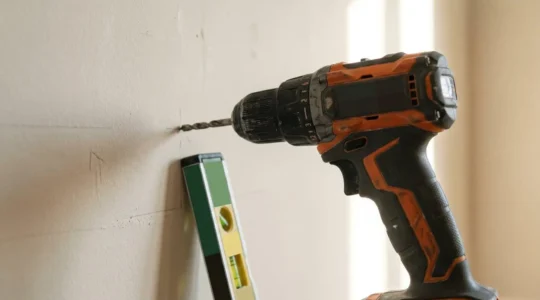
Before You Drill: Is That DIY Disaster Covered by Your Home Insurance?
Most standard home insurance policies will NOT cover your DIY disaster; it depends entirely on having the right ‘accidental damage’ add-on and proving the incident was truly sudden and unforeseen. Accidental damage cover is an optional extra on over 70%…
Lire la suite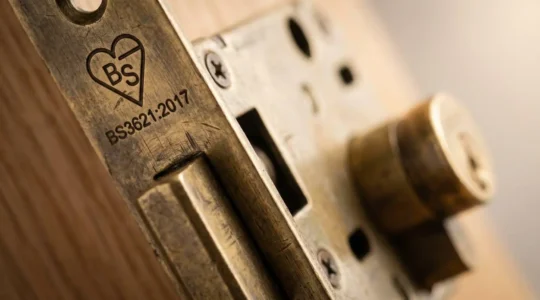
BS3621 Standards: How to Identify if Your Mortice Lock Is Insurance Approved?
In summary: Your home insurance is a contract where non-compliant locks can void a claim under the ‘reasonable care’ clause. BS3621 is the benchmark for mortice locks on wooden doors, but uPVC and composite doors need TS 007 3-star rated…
Lire la suite
The Single Item Limit Trap: A Valuer’s Guide to Specifying High-Value Items Correctly
Relying on standard home insurance for a new engagement ring or valuable watch is a trap of false security; your policy’s single item limit means you are almost certainly underinsured from day one. Most policies cap individual items at £1,500-£2,000,…
Lire la suite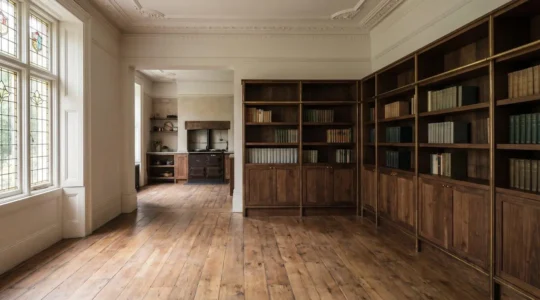
Hardwood Floors and Aga Cookers: Insuring High-Value Permanent Fixtures
The common « upside-down house » rule for insurance is a dangerously expensive myth for owners of high-value properties; true coverage hinges on proving your bespoke installations are legally part of the ‘building’. Standard policies rely on vague definitions that can classify…
Lire la suite
Fitted Kitchens and Bathrooms: Are They Buildings or Contents?
Forget the old « if you’d take it with you » rule; when it comes to home renovations, insurers only care about one thing: is it a permanent fixture? High-value items physically attached to the structure (Aga cookers, hardwood floors, bespoke libraries)…
Lire la suite
Accidental Damage Cover: Is It Worth the Extra £50 per Year?
In a bustling family home, the soundtrack often includes the thud of a dropped tablet, the shriek following a spilled drink on a new laptop, or the ominous silence after a football finds an indoor trajectory towards the new 65-inch…
Lire la suite
A Surveyor’s Guide to Buildings Insurance: Is Your Freehold Correctly Covered?
The vast majority of UK freeholders are underinsured, but the greatest risk isn’t just a low valuation—it’s having a policy that’s completely void due to common, overlooked mistakes. Insuring for market value instead of the full rebuild cost (including professional…
Lire la suite